
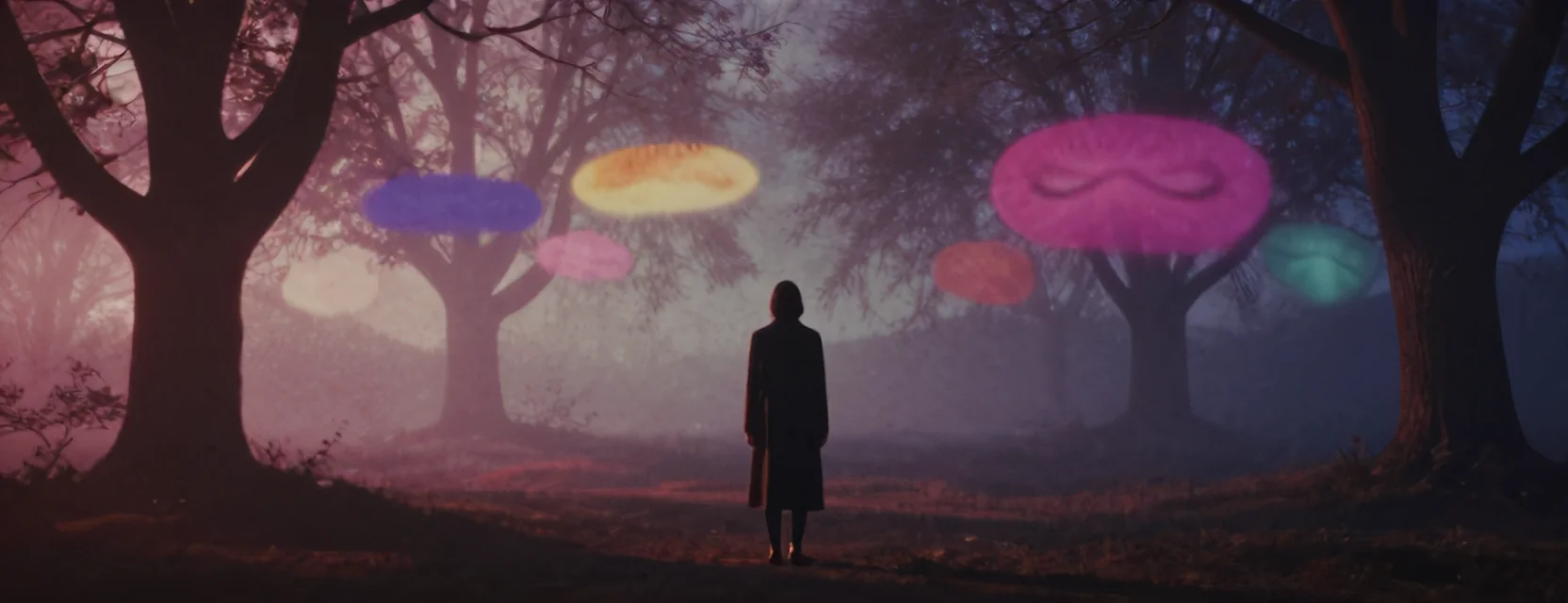
Have you ever closed your eyes—maybe after a long day or just before sleep—and suddenly seen vivid, bizarre, or even terrifying images? These aren’t just random dreams. They’re a real phenomenon that many people experience, often without understanding what’s happening. If you’ve ever wondered what causes these closed-eye hallucinations or whether they’re a sign of something serious, you’re not alone. Let’s break down what’s really going on when your brain creates these vivid visuals.
When you’re in that twilight state between being awake and asleep, your brain can play tricks on you. These hallucinations—known as hypnagogic (when falling asleep) or hypnopompic (when waking up)—happen when your mind is partially in a dream state but your body is still conscious. The images can range from mundane to surreal, and sometimes they feel disturbingly real. But are they a cause for concern, or just a normal part of how our brains work?
The truth is, these hallucinations are more common than you might think, and they’re rarely a sign of a deeper problem. In many cases, they’re simply a byproduct of your brain’s transition between sleep and wakefulness. However, certain factors—like medication, sleep deprivation, or even stress—can make them more frequent or intense. Understanding what triggers them and how to manage them can help demystify the experience and reduce any anxiety it might cause.
What Are Hypnagogic and Hypnopompic Hallucinations?
Hypnagogic and hypnopompic hallucinations are sensory experiences that occur during the transition between wakefulness and sleep. They can involve any of the senses—visual, auditory, tactile, or even olfactory—but visual hallucinations are the most common. These experiences often feel incredibly real, which can be unsettling if you don’t know what’s happening. For example, you might see fleeting images of people, places, or objects that aren’t actually there, or hear sounds that seem to come from your environment but have no real source.
What makes these hallucinations particularly fascinating is that they occur when your brain is in a unique state. During the hypnagogic phase (as you’re falling asleep), your brain starts to enter sleep stages, but your consciousness isn’t fully offline. Similarly, during the hypnopompic phase (as you’re waking up), your brain is shifting back to an awake state but may still be processing dream-like content. This overlap creates a window where your brain can generate vivid sensory experiences that feel real but aren’t tied to your physical surroundings.
It’s worth noting that these hallucinations aren’t the same as sleep paralysis, though they can sometimes occur together. Sleep paralysis is the feeling of being unable to move upon waking or falling asleep, often accompanied by hallucinations. While both phenomena are related to sleep transitions, hypnagogic and hypnopompic hallucinations alone don’t involve the physical paralysis that defines sleep paralysis. Still, both are generally harmless and tend to resolve on their own.
Why Do These Hallucinations Feel So Real?
One of the most striking things about hypnagogic and hypnopompic hallucinations is how lifelike they can feel. You might see detailed images, hear distinct sounds, or even feel physical sensations that seem indistinguishable from reality. This realism comes from how your brain processes information during sleep transitions. When you’re in a dream state, your brain generates sensory experiences that are typically suppressed when you’re fully awake. But during these transitional phases, that suppression isn’t complete, allowing dream-like content to leak into your conscious awareness.
The brain’s visual cortex, in particular, can become highly active during these moments, creating vivid imagery that your conscious mind interprets as real. This is why you might see complex scenes, faces, or objects when your eyes are closed. The experience can be even more intense if you’re in a relaxed state, as your brain is more susceptible to generating these hallucinations when it’s not fully engaged with the external world. In some cases, the images might even seem to persist for a few seconds after you open your eyes, blurring the line between dream and reality.
It’s also worth considering that emotional context can amplify the realism of these hallucinations. If you’re stressed, anxious, or even excited, your brain’s emotional centers may heighten the intensity of the experience. This can make the hallucinations feel more threatening or significant than they actually are. For example, seeing a grotesque face or hearing an unsettling sound might trigger a fight-or-flight response, even though there’s no real danger. Recognizing this can help you reframe the experience as a natural brain function rather than a sign of something wrong.
Can Medications or Health Conditions Trigger These Hallucinations?
While hypnagogic and hypnopompic hallucinations are often benign, certain medications and health conditions can make them more likely or intense. Sleep medications, antidepressants, and even some pain relievers have been known to cause vivid hallucinations as a side effect. These drugs can alter your brain chemistry or sleep patterns, making you more susceptible to these experiences. For instance, if you’re taking sleeping pills or antidepressants and suddenly start seeing strange visuals when closing your eyes, it may be worth discussing with your doctor to see if the medication could be a factor.
Sleep disorders like narcolepsy or insomnia can also increase the frequency of these hallucinations. Narcolepsy, in particular, is associated with disrupted sleep transitions, which can lead to more frequent hypnagogic and hypnopompic experiences. Similarly, chronic sleep deprivation can make your brain more prone to generating vivid hallucinations as it struggles to maintain normal sleep-wake cycles. If you’ve been experiencing poor sleep or have a diagnosed sleep disorder, these hallucinations might be a side effect of that underlying issue rather than a standalone problem.
Other health conditions, such as migraines or even fever, can sometimes trigger sensory hallucinations. Migraines with aura, for example, can cause visual disturbances that might overlap with hypnagogic hallucinations. Additionally, high fever or certain infections can affect brain function temporarily, leading to hallucinations. If you suspect an underlying health issue might be at play, especially if the hallucinations are persistent or accompanied by other symptoms, it’s always a good idea to consult a healthcare professional for a proper evaluation.
Are These Hallucinations a Sign of Mental Illness?
One of the biggest concerns people have when experiencing vivid hallucinations is whether they indicate a mental health condition. The good news is that hypnagogic and hypnopompic hallucinations alone are not typically a sign of a serious mental illness. These experiences are a normal part of sleep transitions for many people and don’t necessarily reflect any underlying psychological disorder. Mental illnesses like schizophrenia or severe psychosis do involve hallucinations, but these are usually persistent, not tied to sleep transitions, and often accompanied by other symptoms like delusions or disorganized thinking.
That said, if you’re experiencing frequent or distressing hallucinations, it’s understandable to be concerned. The key is to look at the context. Are these hallucinations happening only during sleep transitions, or are they occurring throughout the day? Are they accompanied by other symptoms like paranoia, confusion, or significant changes in mood or behavior? If the hallucinations are isolated to sleep transitions and don’t cause significant distress or impairment in your daily life, they’re likely just hypnagogic or hypnopompic experiences. However, if they’re persistent, worsening, or part of a broader pattern of symptoms, seeking professional evaluation is a wise step.
It’s also worth noting that stress and anxiety can sometimes exacerbate these hallucinations, creating a feedback loop where the fear of having them makes them more likely to occur. If you find yourself becoming anxious about the possibility of hallucinations, practicing relaxation techniques or mindfulness before bed might help reduce their frequency. In most cases, though, these hallucinations are harmless and will resolve on their own without treatment. The important thing is to approach them with curiosity rather than fear, recognizing them as a natural, albeit sometimes unsettling, aspect of how our brains function.
How Can You Manage or Reduce These Hallucinations?
If you find that hypnagogic or hypnopompic hallucinations are frequent or distressing, there are several strategies you can try to manage or reduce them. Improving your sleep hygiene is often the first step. This means establishing a consistent sleep schedule, creating a relaxing bedtime routine, and ensuring your sleep environment is comfortable and free from distractions. When your sleep patterns are more regular, your brain transitions between wakefulness and sleep more smoothly, which can minimize the likelihood of vivid hallucinations. Simple changes like avoiding screens before bed or reducing caffeine intake can make a noticeable difference.
For some people, cognitive behavioral techniques can help reframe the experience. If you know you’re prone to these hallucinations, you might try reminding yourself during the day that they’re harmless and temporary. This can reduce any anxiety you might feel when they occur, which in turn can lessen their intensity. Some find that gently focusing on their breathing or repeating a calming phrase when the hallucinations start can help ground them in reality. The goal isn’t to fight the hallucinations but to acknowledge them without getting swept up in them emotionally.
In cases where hallucinations are linked to medication side effects, discussing alternatives with your doctor is a practical approach. They may be able to adjust your dosage, switch medications, or add another drug to counteract the side effect. Never stop or change medications without medical guidance, but do bring up the issue if it’s bothering you. Similarly, if sleep disorders are contributing to the problem, treating those underlying conditions—whether through therapy, lifestyle changes, or medical intervention—can significantly reduce the frequency of hallucinations. The key is to address the root cause rather than just the symptom.
What About the “Demons” and Spiritual Interpretations?
It’s not uncommon for people to interpret vivid hallucinations through a spiritual or supernatural lens, especially when the experiences feel intense or unsettling. Some have reported seeing figures with “icy blue eyes” or other specific details that align with folklore or religious narratives, such as the figure of Lilith in some traditions. These interpretations can be deeply personal and meaningful, but from a scientific standpoint, they’re not necessary to explain the phenomenon. Hypnagogic and hypnopompic hallucinations are rooted in brain activity, not supernatural forces, though that doesn’t diminish the significance they might hold for you.
If you find that spiritual or symbolic interpretations help you make sense of these experiences, that can be a useful coping mechanism. Many people find comfort in framing these hallucinations as messages, visions, or even encounters with spiritual entities. As long as these interpretations aren’t causing undue fear or distress, they can be a harmless way to process the experience. However, if you’re using these interpretations to avoid addressing practical factors like sleep quality or medication side effects, it might be worth balancing that perspective with a more grounded understanding of what’s happening physiologically.
Ultimately, whether you view these hallucinations as purely neurological or as having deeper meaning is a personal choice. What matters most is how they affect your well-being. If they’re causing anxiety or disrupting your sleep, focusing on practical solutions—like improving sleep hygiene or adjusting medications—will likely yield the most tangible benefits. At the same time, if these experiences feel spiritually significant to you, there’s no need to dismiss that feeling. The goal is to find a perspective that allows you to navigate these hallucinations without letting them control your peace of mind.
When Should You Be Concerned About These Hallucinations?
While hypnagogic and hypnopompic hallucinations are usually benign, there are a few scenarios where it’s wise to seek professional advice. If the hallucinations become frequent, persistent, or increasingly vivid to the point where they’re interfering with your daily life or causing significant distress, it’s time to consult a doctor or sleep specialist. Similarly, if you notice other symptoms alongside the hallucinations—such as sleep paralysis, excessive daytime sleepiness, or changes in mood or behavior—these could indicate an underlying condition that needs attention. Don’t hesitate to reach out if you feel something isn’t right.
Another red flag is if the hallucinations are accompanied by physical symptoms like pain, fever, or neurological signs. These could suggest an underlying medical issue that’s affecting brain function. Additionally, if you’ve recently started a new medication or changed your dosage and the hallucinations appear around the same time, it’s worth discussing with your healthcare provider to see if there’s a connection. They may be able to adjust your treatment or offer alternatives that don’t have this side effect.
Finally, if you’re experiencing hallucinations outside of sleep transitions—that is, during the day when you’re fully awake—this is a more serious concern that should be evaluated promptly. Daytime hallucinations can sometimes be a sign of conditions like migraines, seizures, or even neurological disorders, and they warrant a thorough medical assessment. The key takeaway is that while most sleep-related hallucinations are nothing to worry about, staying attuned to changes in their frequency, intensity, or context can help you know when it’s time to seek professional guidance.
What Does Science Say About These Hallucinations?
From a scientific perspective, hypnagogic and hypnopompic hallucinations are well-documented phenomena that occur due to the brain’s unique activity during sleep transitions. Research shows that during these periods, the brain exhibits a mix of awake and asleep patterns, with certain brain waves (like alpha and theta waves) becoming more prominent. This mixed state can lead to dream-like experiences that spill into consciousness. Studies have also found that these hallucinations are more common in people with certain sleep disorders, like narcolepsy, reinforcing the link between disrupted sleep patterns and vivid sensory experiences.
Interestingly, the content of these hallucinations often reflects our daily experiences. For example, you might see faces or objects you encountered during the day, as the brain processes recent memories during sleep transitions. This is why some people report seeing familiar people or places in their hallucinations. The brain isn’t creating entirely random content but rather weaving together fragments of recent experiences into these fleeting sensory scenes. This also explains why the hallucinations can sometimes feel meaningful or even prophetic—they’re tapping into your own mental world rather than pulling from external reality.
Neurologically, these hallucinations are similar to dream experiences but occur with a degree of conscious awareness. They highlight how the brain’s sleep-wake regulation isn’t always a clean switch but more of a gradient. This gradient allows for these transitional states where the brain can generate sensory content while still maintaining some level of wakefulness. Understanding this can demystify the experience, showing that it’s a normal part of brain function rather than something unusual or threatening. While the exact mechanisms aren’t fully understood, ongoing research continues to shed light on how these fascinating experiences arise.
Can You Train Yourself to Control These Hallucinations?
While you can’t directly “control” hypnagogic or hypnopompic hallucinations in the way you might control a conscious thought, you can influence how you experience and respond to them. Some people find that practicing mindfulness or meditation can make them more aware of when these hallucinations are starting, allowing them to observe them without getting carried away by fear or confusion. This isn’t about suppressing the hallucinations but about changing your relationship with them—viewing them as interesting brain activity rather than something to be afraid of. Over time, this can reduce the emotional impact they have on you.
Another approach is to use these moments as opportunities for creativity or exploration. Some artists and writers have reported using hypnagogic hallucinations as inspiration, noting the bizarre or surreal imagery that emerges during these states. If you’re not inclined toward creative pursuits, simply observing the content of the hallucinations—what you see, hear, or feel—can be a fascinating way to engage with them without judgment. This curiosity can replace fear, making the experience less distressing and more intriguing.
It’s also worth noting that improving your sleep quality can indirectly give you more “control” over these hallucinations by reducing their frequency. When your brain transitions between sleep and wakefulness more smoothly, there are fewer opportunities for vivid hallucinations to occur. This means that while you can’t force the hallucinations to appear or disappear on command, you can create conditions that make them less likely or intense. The goal isn’t to eliminate them entirely—after all, they’re a natural part of brain function—but to manage them in a way that doesn’t disrupt your well-being.
What’s the Takeaway? Embracing the Mystery
Hypnagogic and hypnopompic hallucinations are a reminder of the fascinating complexity of our brains. These vivid, sometimes unsettling experiences are a normal part of how we transition between sleep and wakefulness, and they rarely indicate a serious problem. By understanding what causes them—whether it’s the brain’s natural sleep-wake cycle, medication side effects, or sleep quality—you can approach them with curiosity rather than fear. If they’re causing distress, practical steps like improving sleep hygiene or consulting a healthcare professional can make a difference.
Ultimately, these hallucinations invite us to look beyond the surface of our everyday experiences and appreciate the subtle, often mysterious ways our minds work. They’re a testament to the brain’s creativity and adaptability, even in moments when we’re not fully conscious. So the next time you close your eyes and see something strange, remember: it’s just your brain doing what it does best—exploring the boundaries between reality and imagination. And that, in itself, is something worth marveling at.