
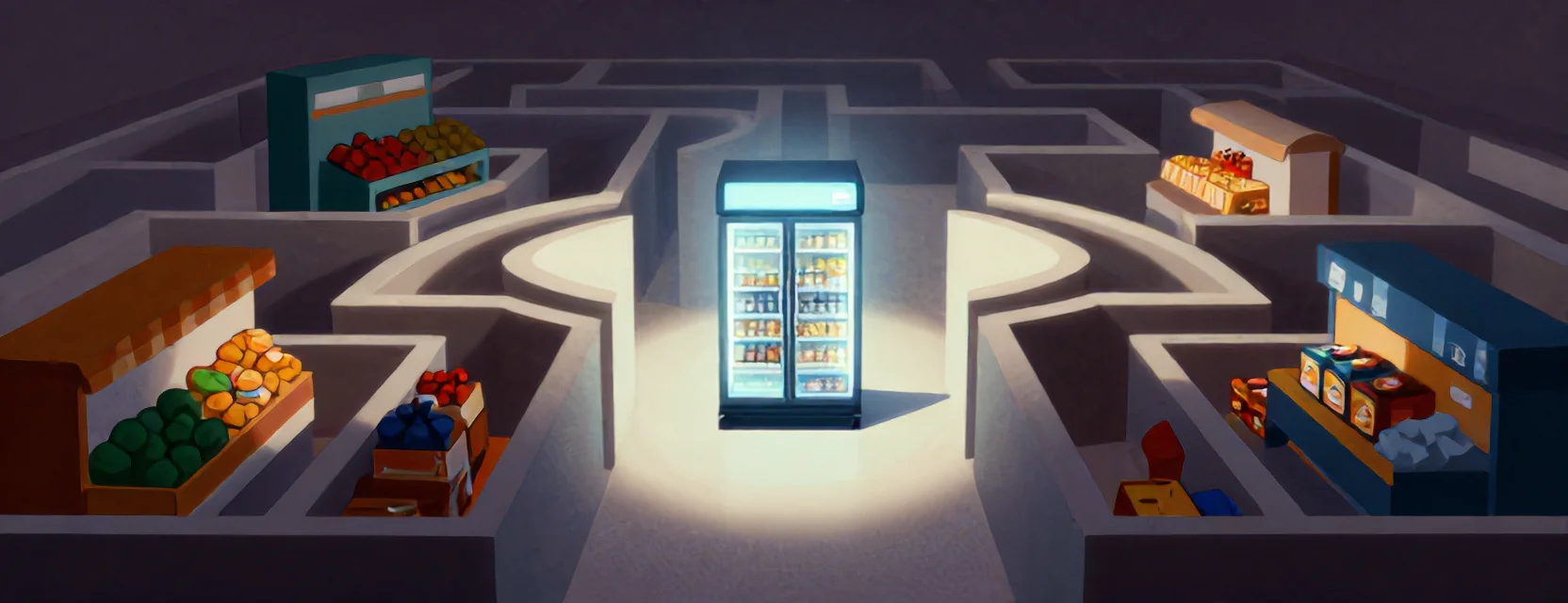
We’ve all been there—rushing into the grocery store for just one thing, grabbing your cart, and heading straight for the dairy aisle. Only to find it miles away, at the very back of the store. You have to walk past fresh produce, snack aisles, frozen foods, and who knows what else, just to get a gallon of milk. It feels like a cruel joke, a deliberate attempt to make you buy more than you planned. But is it really that simple? Or is there something else going on that we’re missing?
Every time you make this trek, you’re experiencing one of the most carefully calculated aspects of modern retail design. It’s not just about making you buy more—it’s about efficiency, logistics, and keeping your milk fresh. The truth is far more complex, and far more interesting, than you might think. It’s a story of refrigeration systems, delivery schedules, and the delicate balance between customer convenience and business operations.
What Happened Next
The Refrigeration Reality Check
Think about it—milk needs to stay cold, constantly. Unlike items that can sit at room temperature, dairy products have a very limited window before they start to spoil. Grocery stores solve this with massive refrigeration systems, but these systems aren’t small. They require extensive infrastructure—piping, compressors, and cooling units—that take up a lot of space. It makes sense to keep all this equipment together, and that’s typically at the back of the store. This way, all the refrigerated items (milk, eggs, cheese, yogurt) can be kept in close proximity to the cooling systems, ensuring everything stays at the perfect temperature.Delivery Day Drama
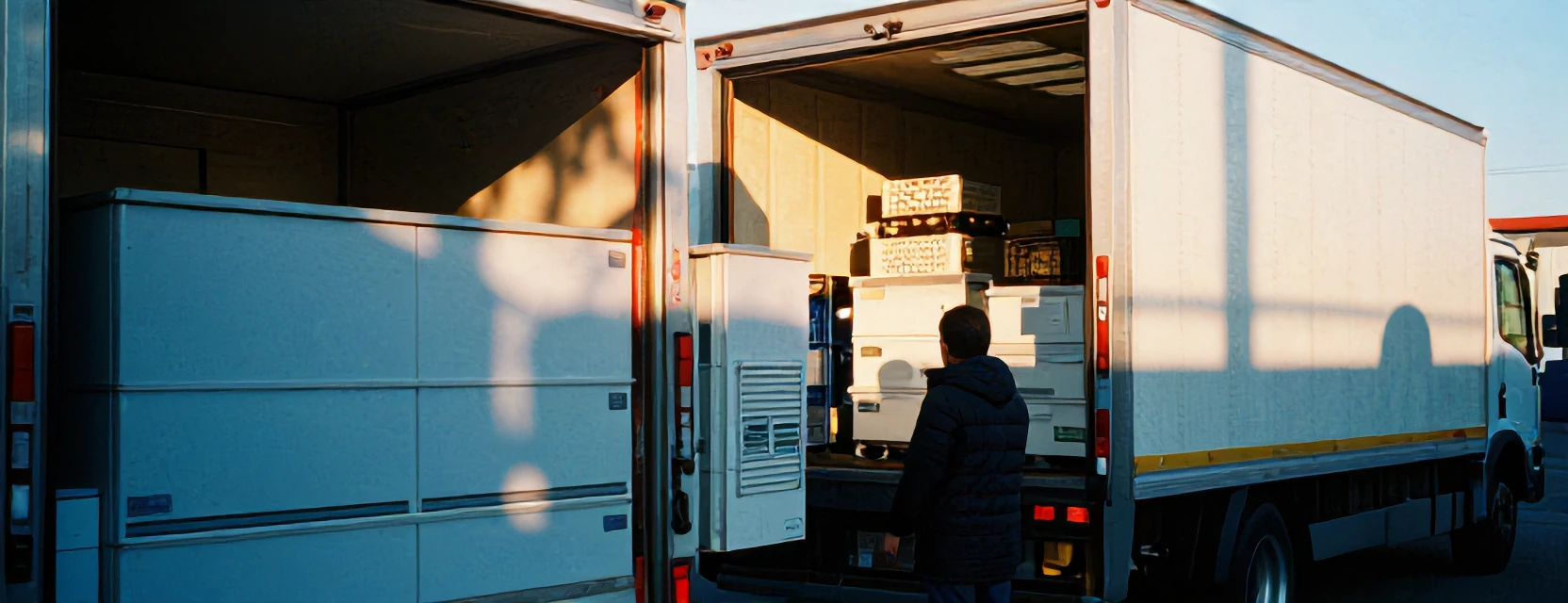
Milk doesn’t just magically appear on the shelves. It arrives on trucks, often in large pallets, and needs to be moved quickly into refrigeration. Having the dairy cooler at the back of the store means it’s right next to the loading dock. Stockers can unload the milk directly from the truck into the cooler without having to haul it through the entire store. This is crucial because every minute the milk spends at room temperature reduces its shelf life. Some stores have even designed their layouts so that milk can go from the truck to the shelves without ever leaving refrigeration—a logistics win that keeps your milk fresher for longer.
Stocking Secrets
Ever wonder why the milk at the front of the dairy case is always the one that’s been there the longest? It’s not by accident. Stores use a system called “first-in, first-out” (FIFO) to ensure that older products get sold before newer ones. To make this work, milk is stocked from the back. Workers pull the oldest milk to the front, then place the new milk behind it. If milk were in the middle of the store, this system would be much harder to implement—stockers would have to carry heavy jugs through the entire store just to restock a few shelves. Keeping milk at the back makes this process seamless and efficient.The Heavy Load
Milk is heavy. Really heavy. A gallon of milk can weigh around eight pounds, and stockers often have to move cases that hold multiple gallons at once. Lugging these heavy cases through the store isn’t just inefficient—it’s physically demanding and time-consuming. By keeping the dairy cooler at the back, near the loading dock, stores minimize the distance stockers have to carry these heavy loads. It’s a small detail, but it adds up over the course of a busy day, making the entire operation smoother for everyone involved.The Psychology Play
Okay, so now we’ve covered the practical reasons. But let’s be honest—there’s also a bit of psychology at play. Grocery stores are designed to make you walk through as much of the store as possible. The milk, being a staple item that almost everyone buys, is strategically placed at the back to ensure you pass by other products. It’s not about tricking you into buying more—it’s about giving you the opportunity to see other items you might need. And yes, sometimes that does lead to impulse purchases, but the primary goal is to make sure you see everything the store has to offer.Freezers vs. Fridges
You might notice that freezers (for ice cream, frozen meals, etc.) are often placed in the middle of the store, while refrigerated items like milk are at the back. Why the difference? Freezers can maintain a constant temperature with less complex infrastructure. They don’t require the same kind of delicate temperature control that refrigerators do. Plus, frozen goods don’t spoil as quickly as dairy, so they can afford to be a bit more flexible in their placement. Milk, on the other hand, needs that constant, precise cooling—hence the dedicated space at the back.The Small Exceptions
Not every store puts milk in the back, though. Some supermarkets, like Wegmans, have small refrigerators near the checkout area that hold a limited supply of milk. These are often for customers who are just grabbing a quick gallon on their way out. But these setups can only hold a small amount of milk and are often out of stock because they’re not designed for high-volume sales. They’re a convenience feature, not a replacement for the main dairy cooler. For the most part, if you need a full supply of milk, you’re going to have to make the trip to the back of the store.
What We Learned
The next time you’re standing in the dairy aisle, frustrated that you had to walk so far for a gallon of milk, remember this: it’s not just about making you buy more stuff. It’s about keeping your milk fresh, making the restocking process efficient, and ensuring that the store can operate smoothly. The layout of a grocery store is a delicate balance of logistics, psychology, and customer convenience—and the placement of milk is just one piece of that puzzle. So the next time you’re in a hurry, try not to get too annoyed. Instead, appreciate the careful planning that goes into keeping your milk cold and your shopping experience as seamless as possible. After all, it’s these small details that make the difference between a frustrating trip to the store and a smooth one.