
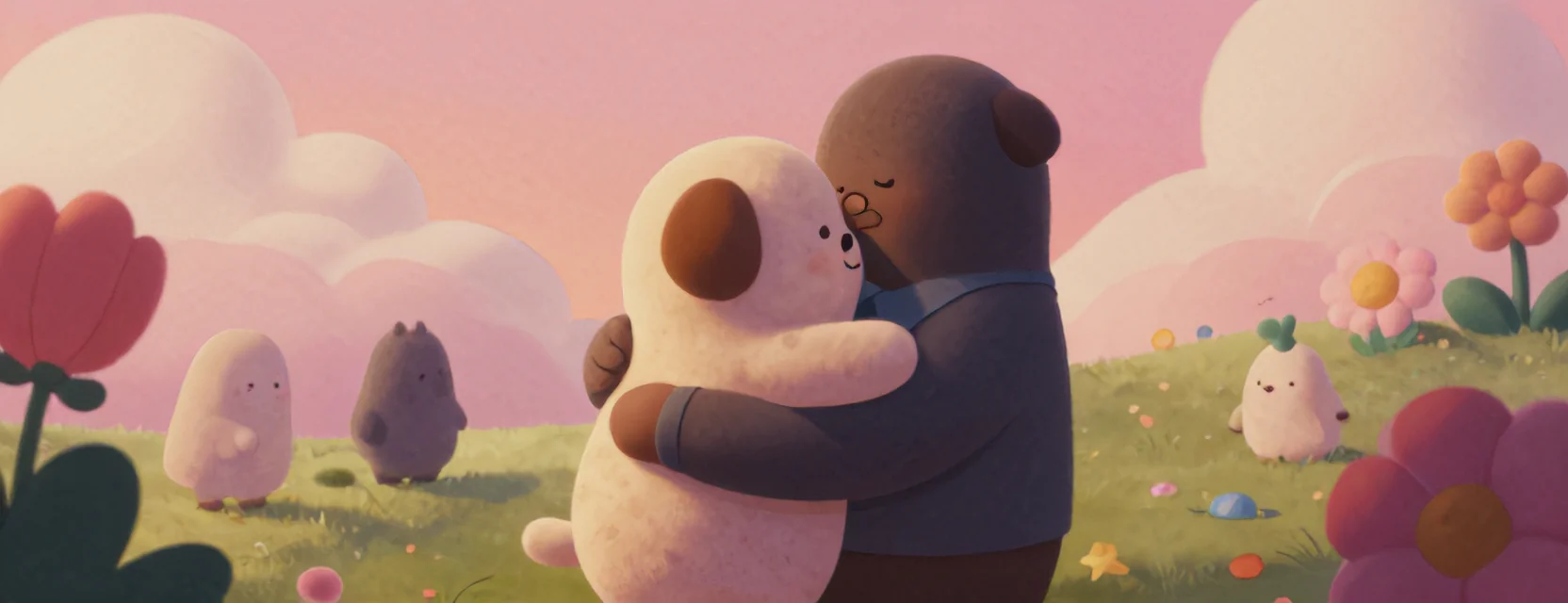
You’ve felt it before—maybe when hugging your kitten a little too tightly, or when your jaw clenches just looking at a baby. That strange urge to squeeze, bite, or even harm something because it’s too cute. But you’re not alone, and it’s not just a weird quirk. There’s a real reason behind it, and it shows up in some bizarre ways you’d never expect. From Looney Tunes parodies to cultural terms like “gigil,” this phenomenon is more universal than you think. Here’s what’s really going on—and why that urge might be stronger than you realize.
Why Do We Want to Squeeze the Life Out of Something Cute?
It sounds counterintuitive, but “cute aggression” is a real psychological response. When something triggers intense feelings of cuteness—like a fluffy puppy or a tiny baby—your brain gets flooded with positive emotions. But sometimes, that intensity becomes overwhelming, and your brain tries to “balance” it by generating aggressive thoughts. That’s why you might find yourself thinking, “I could just squeeze the life out of you!” even though you’d never actually do it. It’s your brain’s way of saying, “This is too much cuteness to handle.”
This isn’t just a human thing either. Animals have been known to show similar responses, and cultures around the world have their own terms for it. In the Philippines, it’s called “gigil”—that irresistible urge to squeeze or bite something cute. In Chamorro, it’s “ma’goddai.” The Looney Tunes parody of Of Mice and Men even plays on this, with characters accidentally crushing things they love because they can’t control their strength. It’s a bizarre but relatable part of being alive.
The Jaw-Clenching Phenomenon: A Subtle Sign of Cute Aggression
One of the most common ways cute aggression shows up is through physical tension—especially jaw-clenching. If you’ve ever found yourself gritting your teeth while hugging your cat or dog, you’re not alone. Many people report clenching their jaw as a way to contain the overwhelming urge to squeeze too hard. It’s like your body’s way of saying, “I need to hold back, or I might actually hurt this thing I love.”
This isn’t just anecdotal either. Some have even developed dental issues from chronic jaw-clenching while interacting with pets. One person shared that their former boss had to get dental work because she’d clench her jaw so hard while petting her cat. Others bite their tongues or even grimace when hugging something cute. It’s a physical manifestation of the emotional overload that cute aggression causes.
The Looney Tunes Connection: When Cute Turns “Fatal”
If you’ve ever seen the Looney Tunes parody of Of Mice and Men, you know how absurd cute aggression can get. The character Lennie (inspired by the book’s gentle giant) accidentally kills things he loves because he doesn’t understand his own strength. In the parody, he’s squeezing mice to death in his pockets, not out of malice, but because the cuteness overwhelms him. It’s a hilarious exaggeration, but it hits on something real: the disconnect between our affection and our physical reactions.
The original Of Mice and Men story plays with this too. Lennie doesn’t mean to hurt the puppy or the woman—he’s just so enamored with them that he can’t control his excitement. The same can happen with cute aggression: you don’t want to harm something, but the urge to squeeze or hold it too tightly is almost uncontrollable. It’s a reminder that our bodies and brains don’t always align when emotions run high.
Cultural Terms for Cute Aggression: Gigil and Beyond
Not everyone calls it “cute aggression.” In the Philippines, the term “gigil” perfectly captures that irresistible urge to squeeze or bite something cute. It’s so ingrained in Filipino culture that people use it casually to describe how they feel around babies or pets. Similarly, in Guam, “ma’goddai” describes the same phenomenon. These cultural terms highlight how universal the experience is, even if we don’t always have a name for it in English.
What’s fascinating is how differently people express it. Some say they’d “suck the cuteness out of a baby’s nose until its head caves in” (yes, that’s a real thing people say). Others find themselves slapping their cats’ butts because, strangely, the cats love it. It’s a reminder that cute aggression isn’t one-size-fits-all—it can manifest in the most unexpected ways.
The “Cat Bongos” Phenomenon: When Cute Aggression Becomes a Hobby
If you’ve ever seen a video of someone spanking their cat on the butt and the cat purring like a motorcycle, you’ve witnessed “cat bongos.” It’s a bizarre example of cute aggression where the “aggression” is actually welcomed by the pet. Some cats love being slapped hard on the base of their tails, and their purring response is a clear sign they’re enjoying it. It’s not abuse—it’s just a weird quirk where the line between cute and aggressive blurs.
This isn’t just a few weird outliers either. There are entire subcultures online dedicated to “cat bongos,” with videos and memes celebrating this unusual behavior. It’s a reminder that cute aggression can take many forms, and sometimes, what seems aggressive to us is perfectly normal to the animal. The key is understanding the context and the relationship between the person and the pet.
The Dark Side of Cute Aggression: When It Hurts Others
While most cute aggression is harmless, it can sometimes lead to unintended harm—especially with strangers’ pets. One person shared that they no longer allow strangers to approach their dog after twice witnessing someone grab and squeeze their fluffy small dog too hard. The stranger’s intentions might have been good, but the result was traumatic for the dog and stressful for the owner. Cute aggression is one thing when it’s your own pet, but acting on it with someone else’s animal can be dangerous.
This highlights an important point: cute aggression isn’t an excuse to ignore boundaries. If you feel the urge to squeeze or grab something cute, it’s crucial to check yourself—especially with pets that aren’t yours. The person who shared their story now stays vigilant, knowing that not everyone can control their impulses. It’s a reminder that while cute aggression is real, responsibility is still on us to act appropriately.
What Does This All Mean? Cute Aggression as a Window Into Our Emotions
At the end of the day, cute aggression isn’t a flaw—it’s a fascinating glimpse into how our brains process intense emotions. When something is overwhelmingly cute, our brains struggle to contain the positive feelings, leading to these paradoxical aggressive thoughts. It’s like a natural check valve, preventing us from being completely overwhelmed by joy. Whether it’s jaw-clenching, Looney Tunes parodies, or cultural terms like “gigil,” cute aggression shows up in ways both subtle and bizarre.
The next time you find yourself wanting to squeeze your pet a little too hard, remember: you’re not alone. It’s a universal experience, even if we don’t always talk about it. And while it might seem strange, it’s just your brain’s way of saying, “This is too cute to handle—let’s dial it back a bit.” Embrace it, understand it, and maybe even laugh at how weird it is. After all, what’s more human than reacting to cuteness in the most unexpected ways?