
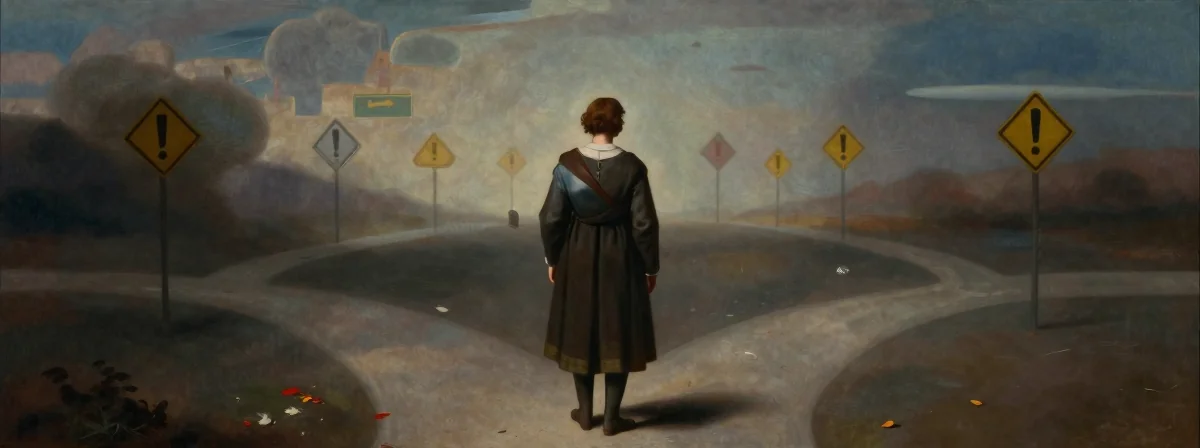
You walk into a restaurant today and the air is clean. You board a plane and your seat neighbor isn’t lighting up. It’s easy to forget that not long ago, this wasn’t the norm. In fact, the norm was clouds of smoke everywhere you went — and we didn’t just tolerate it, we marketed it. We sold it. We normalized it. And looking back, it’s hard not to feel a twinge of “how could we have been so blind?” — because we’re already doing it again with something else.
Then you start to notice the patterns. The ads that seem harmless now. The habits we’ll cringe at decades from now. It hits you: we’re living in the “It’s toasted!” era of something else right now.
Beyond the Hype
“20,679 physicians say: ‘Luckies are less irritating. It’s toasted!’” — The audacity of it all. Doctors, the supposed arbiters of health, endorsing cigarettes. It’s like if your mechanic told you that burning oil was the way to a smoother ride. We laugh now, but the laugh is hollow because we do it with other things — we just haven’t caught on yet. The pattern is always the same: first it’s novel, then it’s normal, then it’s “everyone does it,” and finally, it’s “can you believe we ever did that?”
We’ll look back at sports gambling the same way. Billboards, TV spots, apps — it’s everywhere now. In a few decades, people will scroll past ads for betting on college games and think, “How did we let this saturate everything?” Just like we wonder about the cigarette ads on billboards. The saturation is the first red flag.
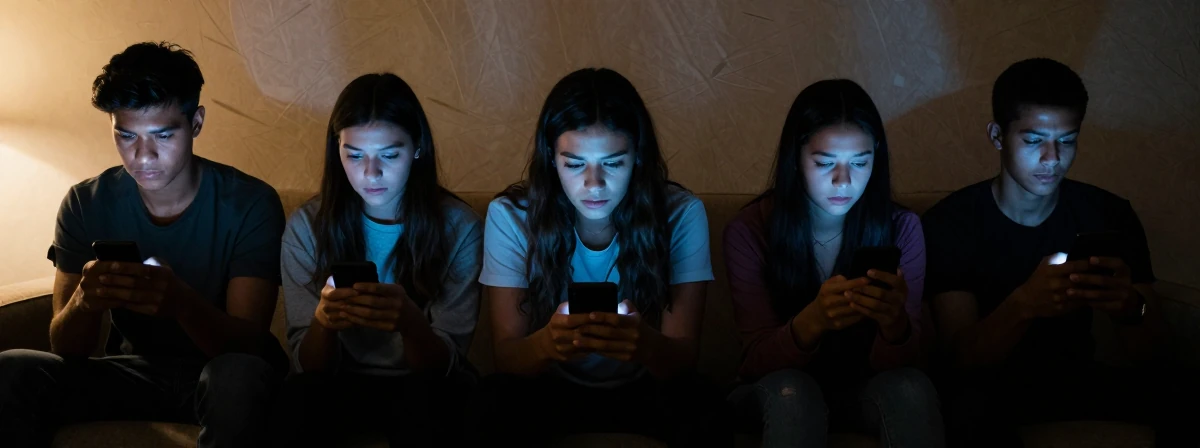
Social media is already our “It’s toasted!” moment. We’re in the phase where it’s just “what everyone does.” The next generation will look at our endless scrolling and curated lives the same way we look at ashtrays on restaurant tables. They’ll ask, “Aren’t they all toasted?” And the answer will be yes.
F-tier cigarettes for tweakers, premium tobacco for “culture.” Remember when you’d judge someone for smoking Winstons? You were a connoisseur with American Spirits, paying five times the price for the “better” cancer stick. It’s a funny kind of irony — swapping one poison for another, just because it tasted “nicer” or made you feel more elite. The end result was the same.
The burn time was a chore, but worth it for “premium” taste. Spirits lasted forever, making finishing one before break ended a task. You rationalized it: “If I’m going to get cancer, it might as well be from the good stuff.” It’s the same logic people use today with whatever vice is en vogue — “This one’s better for me” or “at least I’m doing it right.”
The smell of cigarettes on a patient now? Absolutely revolting. Former smokers often become the most vocal anti-smokers. The scent that once signaled “break time” or “casual conversation” now triggers disgust. It’s a visceral reminder of how habits change our perception — and how quickly something can go from normal to repulsive.
Everyone died at 63 — and it kept Social Security afloat. It’s a dark quirk of history: high smoking rates meant fewer elderly dependents, keeping social programs solvent for longer. We shot ourselves in the foot by curing that “problem” — because now we have to solve the real one: longevity without enough support. The trade-offs are rarely simple.
Cigarette cases held fewer than a pack, so the math was skewed. A pack a day is 730 cigarettes a year, but cases held maybe 20. People smoked from cases, not full packs, so the “average” was lower than it sounds. Still, when 42% of adults smoked, “average” means very few people weren’t smoking heavily.
Chain smokers didn’t just smoke a lot — they lived it. The term wasn’t hyperbole. People would literally use the ember of their finished cigarette to light the next one. Five packs a day wasn’t unusual. Two lighters a day was just part of the routine. It’s hard to fathom that level of dependency now, but back then it was just Tuesday.
How did people find the time? They made the time. Gen Xers remember parents and friends chain-smoking through every downtime. The answer isn’t that they had more time — it’s that smoking was the downtime. It was the social ritual, the stress reliever, the conversation starter. It filled every gap, just like our phones do now.
My mom went from one cigarette to another, then COPD. It’s the cycle we see repeated. Someone’s loved one gets sick, and suddenly the habit isn’t just a habit — it’s a slow death sentence. Now we’re watching the same thing with vaping, just slower. The cycle repeats because the pattern stays the same.
The D.A.R.E. officer smoked 3 packs a day. Authority figures normalizing addiction — it’s not new. When the people telling you to stay away from drugs are lighting up themselves, the message gets muddled. Today, it’s influencers endorsing habits that will bite back later. The uniforms change, but the contradiction remains.
My pap lit the next with the last still burning — and lived to 84. It’s the infuriating outlier that keeps people hooked on hope: “Maybe I’ll be the one who gets away with it.” Genetics, luck, or sheer defiance — it doesn’t matter. The message is clear: don’t bank on being the exception. But we always do.
Former 2-pack-a-day smoker here: It was everywhere. You smoked when you woke up, when you went to bed, during every break. You smoked in houses, bars, trains, planes — wherever. It wasn’t a choice to find time; it was the default. Now think about how often you check your phone. The parallel isn’t lost on anyone who’s quit either habit.
The social aspect is what I miss most. It’s the honest truth former smokers admit. The camaraderie of the smoking section, the shared ritual of lighting up on a long train ride. It was community, even if it was built on poison. We’re already seeing this with other habits — the “culture” around drinking, gaming, or whatever brings people together in a ritualized way.
Yes, every public building smelled like cigarettes. Especially the ones with carpets and drapes. Ashtrays were as common as trash cans. And if they weren’t emptied, the stench lingered. The people who didn’t smoke just learned to ignore it — just like we ignore the digital noise now.
“Aren’t they all toasted?” “Yes, but we’re the only ones who say it.” It’s the crux of the matter. We know something is harmful, but because we do it, we find a way to justify it. Luckies were “less irritating” — as if that makes smoking okay. Today’s equivalents are just as rationalized.
30 cigarettes a day wasn’t unusual when I quit. That’s not a typo. A pack and a half every single day. And it was normalized. The shock comes when you realize that “average” includes non-smokers, so actual smokers were often way higher. The same will be said of today’s habits someday.
42% of Americans smoked — and we’re already doing better. The peak was real, and the decline is a public health win. But the pattern persists: we find the next thing to normalize, and the cycle continues. The key isn’t just stopping the next big habit — it’s recognizing the pattern before we’re all saying, “How could we have been so blind?”
My dad smoked 3 packs a day — and I did too, for 14 years. Then I quit 12 years ago. It’s not about shaming; it’s about seeing the pattern in yourself. The habits we inherit, the ones we justify, the ones we finally break — they all tell the same story. And we’re living it again, right now.
Final Thoughts
The real lesson isn’t to judge the past — it’s to recognize the present. We’re already in the “It’s toasted!” phase of something, and we won’t know what it is until we’re looking back. The habits, the ads, the normalization — they’ll all seem obvious in hindsight. The question isn’t “Will we repeat history?” It’s “How can we break the cycle while we’re in it?” The answer starts with seeing the pattern before it’s too late.