
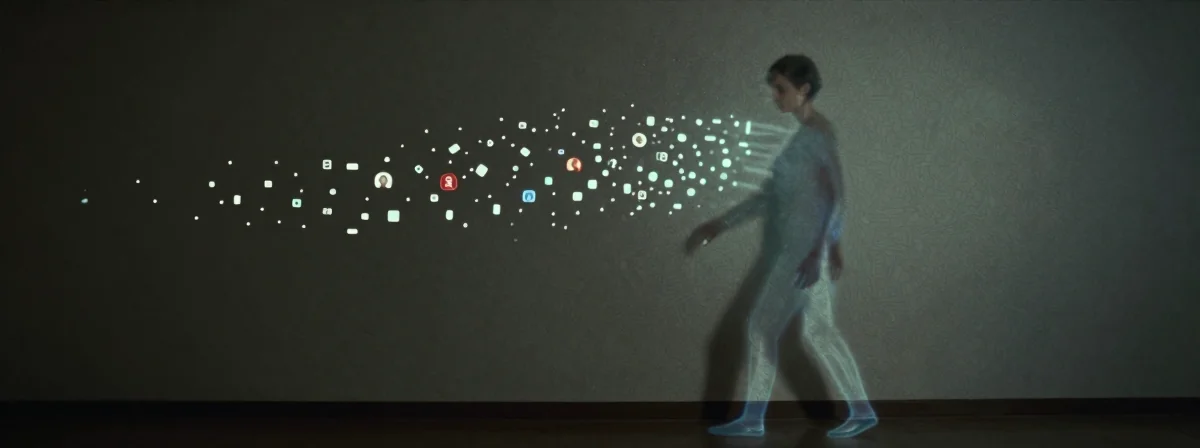
Ever had that gut feeling that you’re sharing way more online than you should? Like you’re walking around with a neon sign that says “Hack me!”? You’re not alone. In a world where every click, like, and share feels like a tiny breadcrumb leading right to your digital doorstep, it’s easy to become a walking privacy disaster. But how do you know when you’ve crossed the line from sharing to oversharing? Let’s dive into the telltale signs that you might be giving away more than just your favorite memes.
Why Do We Even Share So Much? It’s Not You, It’s Them
Remember when you first joined social media and thought, “I’ll be so careful”? Yeah, me neither. The truth is, platforms are designed to make us share—like, comment, post, and tag until we’ve practically laid out our entire lives in digital form. It’s like those “free” games that ask for access to everything on your phone. They’re not being generous; they’re mining data. And before you know it, you’ve shared your birthday, your hometown, your pet’s name (hello, password!), and maybe even that one weird hobby you thought was private. It’s not that we’re naturally oversharing; it’s that the system is built to nudge us there.
Sign 1: Your Profile Is a Goldmine for Hackers
You know those profiles where you can see everything—every post, every comment, every embarrassing photo from 2012? Yeah, those are basically treasure maps for anyone with malicious intent. If your profile is wide open, you’re essentially leaving the front door unlocked and putting a sign that says “I’m home alone.” Hackers, scammers, and even just nosy people can piece together your life story faster than you can say “privacy settings.” And let’s not forget that if you’ve ever posted your address, phone number, or work info, you’ve just handed over the keys to your digital castle. It’s like leaving your wallet on the roof of your car—bound to end badly.
Sign 2: You’ve Gotten Used to the “I Agree” Button
How many times have you clicked “I agree” on a terms-and-conditions page without reading a single word? Raise your hand if you’ve done it more than five times today. See? We’re all guilty. But here’s the kicker: those agreements often let platforms collect and sell your data in ways you’d never dream of. It’s like signing a lease that says the landlord can sell your furniture without asking. And before you know it, you’re getting ads for that weird thing you Googled last Tuesday. It’s not that you’re careless; it’s that we’ve normalized giving away our privacy for the convenience of, well, not reading the fine print. But every time you hit that button, you’re adding another brick to the wall of your digital footprint.
Sign 3: You’ve Had to “Verify You’re Human” More Times Than You Can Count
Remember those CAPTCHAs that ask you to identify all the traffic lights or fire hydrants in a picture? Or worse, the ones that make you type out a jumbled mess of letters? It’s like a little digital Turing test, and we all know who’s really failing it—us. But here’s the thing: if you’re constantly being asked to prove you’re not a bot, it’s a sign that the system is suspicious. And if the system is suspicious, it’s because there are way too many bots and fake accounts out there. Which means that when you’re not being asked to verify, you might just be talking to one. It’s like being at a party where everyone’s wearing a mask—you’re not sure who’s real and who’s just there to cause trouble. And if you’re not careful, you might end up sharing your secrets with a bot.
Sign 4: Your Comments Are Showing Up in Unexpected Places
Ever Googled yourself (we all do it) and found your comments from five years ago still floating around? Or worse, found that one time you accidentally swore in a family group chat? Yeah, that’s your digital footprint in action. Every comment, every post, every like is a data point that stays with you forever. It’s like leaving footprints in wet cement—they might fade, but they’re still there. And if you’re not careful, those footprints can lead to places you’d rather not be associated with. Whether it’s a political comment that comes back to bite you or a joke that wasn’t as funny as you thought, your online presence is a permanent record. And if you’re not managing it, you’re letting others do it for you.
Sign 5: You’ve Had to Deal With Creepy “Coincidences”
Remember that time you mentioned wanting a new pair of shoes, and suddenly ads for shoes were everywhere? Or when you talked about a vacation spot, and suddenly your feed was full of travel deals? It’s not magic; it’s data tracking. And if you’re experiencing these “coincidences” on the regular, it’s a sign that your online activity is being monitored and used to target you. It’s like having a stalker who knows exactly what you’re thinking. And while it might seem harmless, it’s a reminder that your every move is being watched. The more you share, the more you’re giving away about your preferences, habits, and even your vulnerabilities. And in a world where data is the new oil, you’re essentially giving away your share of the reserves.
The Big Reveal: It’s Not About Hiding, It’s About Control
So, what’s the big takeaway? It’s not that you should go full hermit and delete all your accounts (unless that’s your vibe, then go for it). It’s about being mindful of what you share and why. Think of it like housekeeping for your digital life—tidy up, lock the doors, and don’t leave the keys under the mat. The more you control your digital footprint, the less likely you are to become a victim of data breaches, scams, or just plain old embarrassment. And in a world where everything is connected, a little privacy goes a long way. So next time you’re about to hit “post,” ask yourself: is this something I’d want on a billboard? If not, maybe it’s time to hit the brakes. After all, the internet is forever, and so is your digital legacy.