
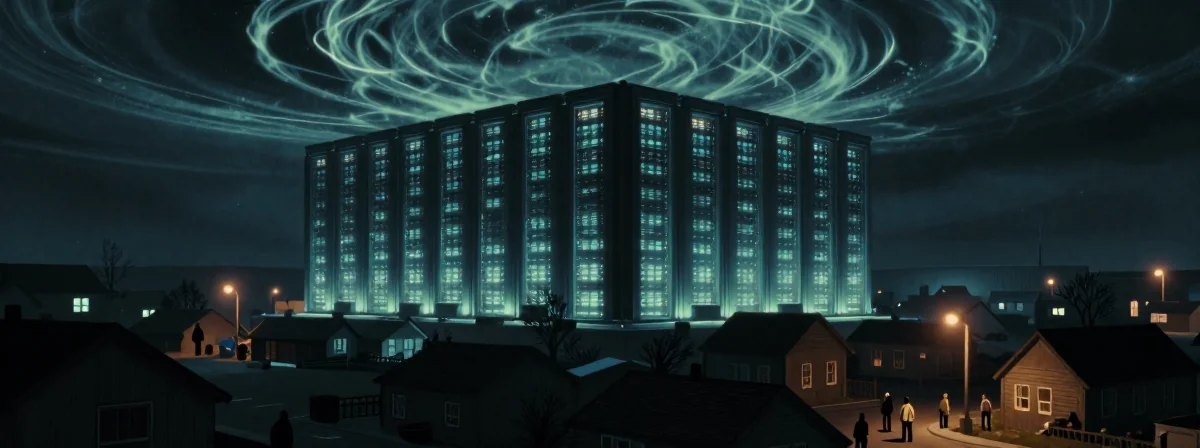
You’re sitting in your home, maybe watching a show, maybe just trying to get some work done. Suddenly, the lights flicker. Not just once, but twice. Then, nothing. You check your phone—power outage. But it’s not just your neighborhood. Your town. Your county. All because a few miles away, a massive new data center just cranked up its systems, and the local grid couldn’t handle it. Sound far-fetched? It’s not. It’s happening now. And it’s a glimpse into the future we’re building—fast. Let’s talk about the real cost of all that AI hype.
What Research Shows
Racks That Drink Power Like It’s Water
Remember when a data center rack pulling 30kW was considered high-end? Those days are gone. Modern AI racks are gulping down 120kW to 240kW, with NVIDIA already talking about 1MW racks on the horizon. Think about that: we’re not just talking about faster processors—we’re talking about power demands that would make a small town blush. And these aren’t isolated incidents. Tech companies are building hundreds, even thousands, of these racks into single facilities. The infrastructure needed to support this isn’t just an upgrade—it’s a complete rebuild. It’s like trying to power a jet engine with a garden hose. You need brand new pipelines, not just a bigger nozzle.Your Bill, Their Profit

Here’s the kicker: when power companies need to upgrade infrastructure to handle these data centers, who picks up the tab? In one town that almost got a Google data center, residents faced a 30% power rate hike to cover the costs. That’s right—local families footing the bill so a multinational can run its AI dreams. This isn’t a one-off story. It’s becoming the norm. Companies promise jobs and economic boosts, but the hidden cost is often buried in your monthly utility statement. It’s like being charged for someone else’s party—except the party never ends.
- Texas: The Promised Land (That Might Not Deliver)
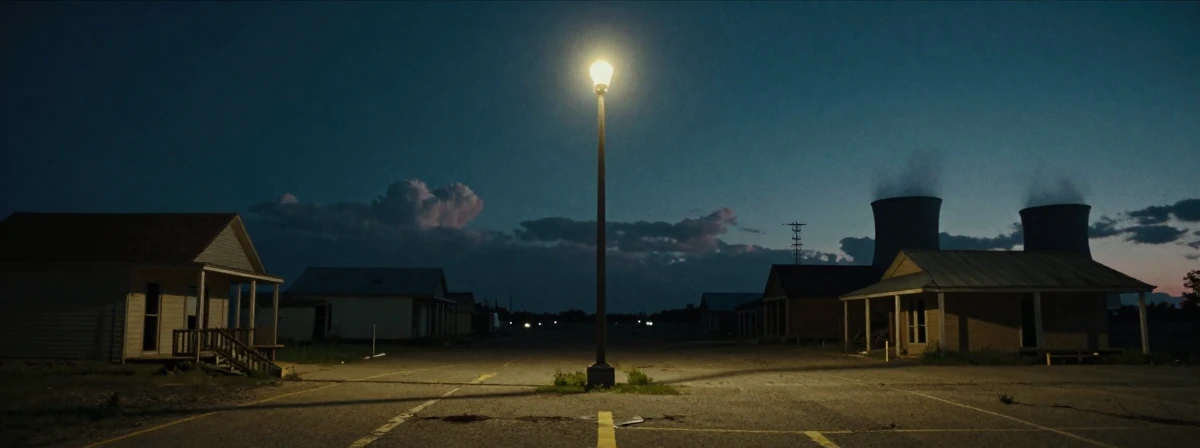
Lots of companies are flocking to Texas, lured by promises of cheap power and fewer regulations. But let’s be real—Texas’s power grid has a history of failing when it matters most. Remember the freezes and heatwaves that left millions in the dark? Now imagine adding thousands of high-power data centers to that mix. It’s not a recipe for reliability. In fact, there’s already a crypto mining company in Texas that’s making more money getting paid not to mine—because their operations are helping prevent grid overloads. If that’s not a red flag, I don’t know what is. The dream of a power-hungry utopia in Texas might just be a mirage.
The Real Cost of “Efficiency”
When tech leaders talk about “markets efficiently allocating resources,” what they’re really saying is: “We’ll take what we need, and someone else will deal with the fallout.” This isn’t just a theory—it’s the playbook of billionaires like Peter Thiel, who believe in a world where tech overlords replace nation-states. The endgame? Neofeudalism, where corporations control the infrastructure, the data, and the power—literally. It’s not about innovation anymore; it’s about control. And the scary part? They’re already building the castles while the peasants wonder why their water and power bills keep climbing.China’s Lesson: Build It Right, or Pay the Price
Want to see what happens when you actually invest in infrastructure? Look at China. They went all-in, building a power grid that’s robust, advanced, and ready for scale. Why? Because they saw the writing on the wall. Tech leaders visiting China came back “scared quiet” at how far ahead the infrastructure was. Meanwhile, in the U.S., building anything new means navigating a maze of red tape, political games, and resistance from communities who are right to worry about the impact. We’re so busy fighting over who gets to profit that we forget the basic truth: if you don’t build the foundation first, the whole thing will crumble. And right now, our foundation is crumbling under the weight of corporate FOMO.The Gold Rush That’s Already Crashing
The money being thrown at these data centers is staggering. So staggering that electrical contractors are dropping hospital projects to chase the bigger paydays. Politicians are getting their slices, of course—because when there’s that much money on the table, regulation isn’t a priority. It’s a race to the bottom. Companies are rushing to build before anyone can put reasonable limits in place. The result? A bubble that’s bound to burst. It’s the dot-com crash all over again, but with more power plants and fewer lessons learned. The only question is: who will be left holding the bag when it all comes crashing down?
What This Means
We’re at a crossroads. One path leads to a future where a handful of companies control the levers of power—literally and figuratively—while the rest of us pay the price in higher bills, unreliable services, and environmental damage. The other path means saying enough is enough. It means demanding that companies pay for the infrastructure they need, that regulations keep pace with innovation, and that the benefits of technology aren’t just lining the pockets of a few while the rest of us wonder why our lights keep flickering. The AI revolution is real, but so is the real world. And in the real world, you can’t have one without the other. The question is: which world do we want to build?