
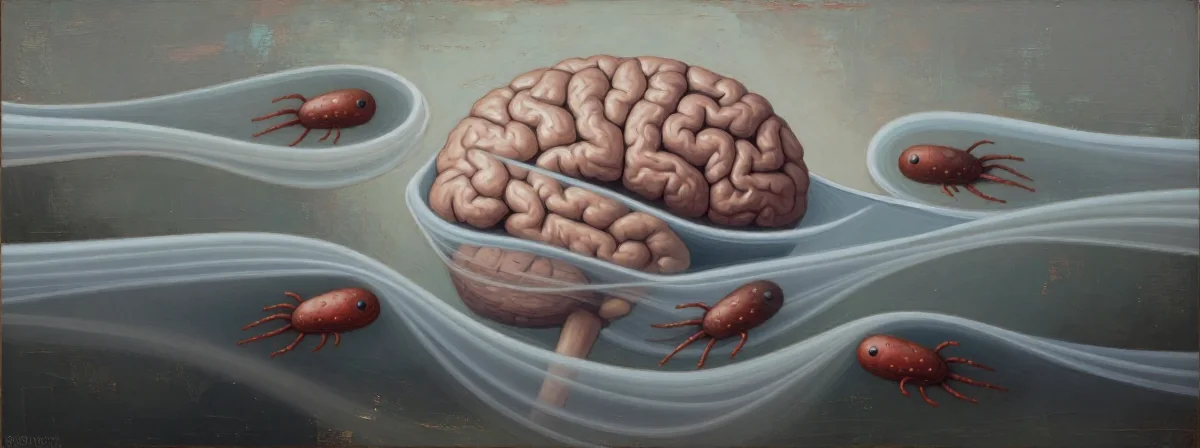
Some days, a fleeting thought crosses your mind—something unsettling, almost primal. Like the idea that the world isn’t just what you see, but a delicate membrane between you and something else entirely. In this case, that something else is microscopic. It’s the notion that tiny invaders—parasites—could be making their home in your brain, hidden away from sight. It sounds like a horror story, but it’s rooted in science.
The fear of parasites, especially those that can cross into our brains, taps into a deep-seated anxiety about losing control over our own bodies. Yet, like many fears, it’s worth examining with both caution and clarity. The truth is, while brain parasites do exist, they’re far less common than you might think—and understanding them can actually set your mind at ease.
Consider this: Your brain is one of the most protected organs in your body. It’s shielded by the blood-brain barrier, a selective filter that keeps most harmful substances out. But some parasites, through clever evolutionary tricks, can bypass this defense. How? And what does that mean for you? Let’s explore the reality behind these tiny invaders.
Can Parasites Really Get Into Your Brain?
It sounds like something out of a sci-fi movie, but yes—certain parasites can reach the brain. The most well-known examples are Taenia solium (pork tapeworm) and Toxoplasma gondii, a protozoan parasite. These aren’t worms in the way we typically imagine them (like earthworms), but their larvae or eggs can travel through your bloodstream and settle in the brain.
Take Toxoplasma gondii, for instance. This parasite is carried by cats and can be found in undercooked meat or contaminated water. Once ingested, it can form cysts in your tissues—including the brain. In most healthy people, it causes no symptoms. But in some cases, it’s linked to changes in behavior or even seizures. The key takeaway? These parasites don’t just magically appear; they require specific conditions to enter your system.
Another example is Naegleria fowleri, often called the “brain-eating amoeba.” It enters through the nose while swimming in warm freshwater and travels along the olfactory nerve to the brain. But this is incredibly rare—only a handful of cases occur each year in the U.S. The point is, while the idea is unsettling, the actual risk is low.
How Do These Parasites Get There?
Parasites reach the brain through a few pathways, all of which involve some form of exposure:
- Food and Water: Eating undercooked meat (especially pork or wild game) or unwashed produce can introduce parasite eggs or larvae. Once in your intestines, some can enter the bloodstream and migrate to the brain.
- Poor Hygiene: If someone handling your food doesn’t wash their hands properly after using the bathroom, they could transfer parasites like Taenia solium onto your food.
- Environmental Exposure: Swimming in contaminated water or even inhaling dust from contaminated soil can expose you to certain parasites.

The most common route, however, is through food. This is why proper cooking, washing, and food handling are so critical. Think of your body as a fortress—each meal is a gate. If you leave the gates open (by eating raw or poorly handled food), you’re inviting unwanted guests.
What Happens If Parasites Do Reach the Brain?
If parasites do make it to the brain, the effects vary wildly. Some people experience no symptoms at all. Others might notice:
- Seizures or convulsions
- Headaches or confusion
- Changes in personality or behavior (sometimes described as “acting funny”)
- Vision problems or nausea
In rare cases, like with Naegleria fowleri, the infection can be fatal. But again, these are extreme outliers. For most parasites, the immune system can keep them in check, especially if you’re healthy.
It’s also worth noting that the brain isn’t exactly “tasty meat” for parasites, as some fear. It’s mostly fat and water, and parasites that do settle there often struggle to survive. This is why many brain infections are self-limiting—they cause trouble, but the body eventually clears them.
Can You Prevent Brain Parasites?
The good news is, you have a lot of control over your risk. Here’s how to keep those tiny invaders at bay:
- Cook Meat Thoroughly: Especially pork, beef, and wild game. Use a meat thermometer to ensure it reaches a safe internal temperature.
- Wash Produce: Even organic produce can carry parasites. A good rinse with water can remove many surface contaminants.
- Practice Food Safety: Wash your hands before eating or preparing food, and avoid cross-contamination (e.g., using the same cutting board for raw meat and veggies).
- Be Mindful of Water Sources: Avoid swimming in warm, stagnant water (like freshwater lakes in summer) if possible, and use filtered water for drinking in areas with questionable sanitation.
The reality is, most people will never encounter a brain parasite. The fear often comes from misunderstanding how these infections occur. By taking simple precautions, you’re already far ahead of the game.
Why the Fear Persists (And Why It’s Misplaced)
Humans have always been wary of the unseen—germs, toxins, and yes, parasites. It’s a survival instinct. But modern life has largely removed many of the risks our ancestors faced. Clean water, refrigeration, and medical advances mean that brain parasites are rare in developed countries.
Yet, the idea of something “living” inside your brain taps into a primal dread. It’s like a ghost in the machine—your mind, your thoughts, your very self being influenced by something outside your control. This is why stories about brain parasites spread so easily; they resonate with a deep-seated fear.
The key is to balance awareness with perspective. Knowing the facts can actually reduce anxiety. Instead of imagining a horror movie playing in your skull, think of it as another layer of the natural world—one that, with a little care, you can navigate safely.
The Brain as a Sanctuary, Not a Battlefield
At the end of the day, your brain is more fortress than feast. It’s designed to keep invaders out, and most parasites simply can’t breach its defenses. The few that do are often dealt with by your immune system or require very specific circumstances to cause harm.
Think of it this way: The brain is the seat of your consciousness, your identity. It’s where you experience the world. The idea of parasites there feels like an invasion of the self. But in reality, the brain is one of the most resilient organs we have. It’s protected, it’s guarded, and it’s far more likely to be affected by stress, poor diet, or lack of sleep than by a microscopic invader.
So, the next time a strange thought crosses your mind—a flicker of fear about what might be lurking—remember this: The world is full of tiny wonders and dangers, but your body is built to handle them. With awareness and care, you can keep your brain safe, secure, and truly your own.