Have you ever followed a story so intensely that when the ending arrives, it feels like the ground beneath you just vanished? That’s precisely what happened with Chainsaw Man’s latest chapter, leaving readers worldwide grappling with a narrative shift that’s both brilliant and bewildering. The final pages didn’t just conclude a story—they rewrote reality itself, and with it, the emotional investment of thousands of fans.
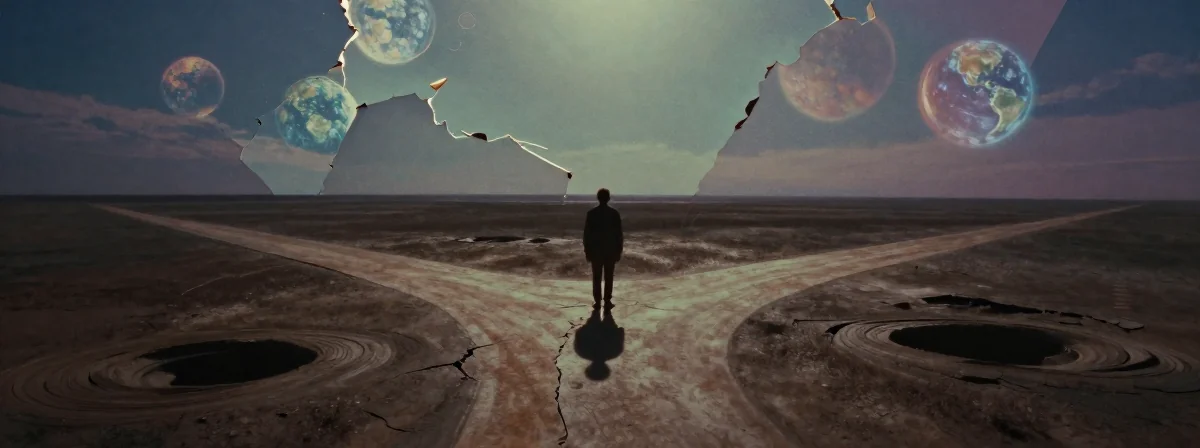
The current arc leading up to this moment depicted humanity’s darkest hour, where the concept of death itself had been erased. Locusts feasted on perpetually suffering humans, creating a world of endless torment. Then came the apparent sacrifice of Pochita, the source of the protagonist’s power, which seemed to resolve everything through what many are calling a “deus ex machina.” But just when you thought the dust had settled, the story snaps back to an earlier time—suggesting not just a timeline change, but an entire world rebooted.
This isn’t just a plot twist; it’s a fundamental restructuring of everything we thought we knew, and the reactions are as polarized as they are passionate.
Why Are Fans So Divided About This Narrative Shift?
The emotional response to this ending runs the gamut from ecstatic approval to outright betrayal. On one side are readers who admire author Tatsuki Fujimoto’s courage to take such unorthodox steps—to erase entire character arcs and world-building that had developed over hundreds of pages. These fans see this as the mark of a true artist unafraid to break his own rules.
On the other side are those who feel cheated, their investment in secondary characters suddenly rendered meaningless. The time spent connecting with these characters now feels like a deliberate misdirection, a cruel joke from an author who promised emotional stakes only to yank them away at the last moment. This feeling is amplified by the fact that Fujimoto has a history of introducing beloved characters only to remove them quickly, as seen in the Reze arc.
What makes this divide so fascinating is that both perspectives contain valid points about storytelling. Is it more respectful to honor the emotional journey of readers, or to prioritize artistic integrity even when it means breaking hearts? The answer might lie in recognizing that both approaches have their place in literature.
Does This Twist Actually Ruin the Story’s Impact?
It’s tempting to view timeline resets and narrative reboots as cheap tricks, but this assessment might be too simplistic. The brilliance of this particular twist lies in how it transforms our understanding of everything that came before. Suddenly, those characters we thought were permanent fixtures become temporary visitors in Denji’s world—a perspective that adds new depth to their interactions and sacrifices.
Consider how this shift changes our perception of the earlier arcs. What seemed like meaningful character development now appears as fragile moments in a reality that could be erased at any moment. This isn’t just a narrative device; it’s a philosophical statement about the nature of existence itself. In a world where even death can be erased, what does permanence truly mean?
The controversy might stem from how abruptly this realization hits readers. We’re forced to re-evaluate not just the plot, but our emotional connection to it. This discomfort, however, might be precisely what makes the story memorable. Great literature often challenges our expectations, forcing us to confront uncomfortable truths about storytelling and reality.
What Does This Mean for the Future of the Series?
Many readers are asking whether this marks the definitive end of Chainsaw Man or merely a pause in an ongoing experiment. The ending certainly feels conclusive, with the main threat of Armageddon seemingly resolved. Yet, the way it’s structured leaves enough ambiguity to suggest future possibilities.
The author has demonstrated a pattern of leaving doors open, even when closing chapters. This particular ending, while seemingly final, contains elements that could support a continuation if the creator chooses to return to the story. The time jump isn’t just a narrative device; it’s a narrative playground, offering countless possibilities for how the story could continue.
Some fans believe this is Fujimoto’s way of saying goodbye to the series, having achieved everything he wanted to explore. Others see it as the natural conclusion to a story about finding meaning in transient existence. Regardless of which interpretation proves correct, the ending serves as a powerful meditation on storytelling itself—how narratives begin, evolve, and sometimes need to be completely rewritten.
How Does This Compare to Other Groundbreaking Manga Endings?
Chainsaw Man’s controversial conclusion isn’t unique in the world of manga, but it does represent a particularly bold approach to narrative structure. Throughout manga history, creators have experimented with time, reality, and reader expectations in ways that challenge conventional storytelling.
What sets this particular ending apart is how it combines multiple narrative techniques—time travel, reality alteration, and character sacrifice—all while maintaining the emotional core of the story. The result is an ending that feels both chaotic and purposeful, random and deliberate—a paradox that mirrors the themes of the series itself.
The fan reaction, while intense, follows patterns seen with other groundbreaking manga conclusions. Readers often struggle with endings that don’t provide neat resolutions or respect their emotional investment. Yet, these same endings frequently come to be regarded as the most meaningful and memorable aspects of the stories they conclude.
Perhaps the most important question isn’t whether this ending works, but whether we’re willing to let stories challenge us in this way. In an era where entertainment often prioritizes comfort over challenge, Chainsaw Man’s ending serves as a reminder that true art sometimes requires us to confront uncomfortable truths about storytelling and ourselves.
Could This Be the Beginning of Something New?
Despite the apparent reset, there’s something profoundly forward-looking about this ending. By erasing the established timeline, the story creates space for new possibilities, new interpretations, and potentially new beginnings. This isn’t just an ending; it’s a narrative evolution—a transformation of what the story means and what it could become.
The most interesting aspect might be how this ending forces readers to reconsider everything that came before. The characters, the conflicts, the emotional arcs—all take on new significance when viewed through the lens of this radical conclusion. This recursive quality is what makes great literature endure, inviting new readings with each passing year.
In the end, perhaps the most valuable takeaway isn’t what happens in the story, but how the story makes us think about stories themselves. Chainsaw Man’s controversial conclusion challenges us to consider what we want from narratives, what we expect from art, and what we’re willing to accept when creators push boundaries in service of their vision.
The debate will continue, the interpretations will multiply, and the story will continue to evolve in readers’ minds long after the final page. And in that ongoing conversation between creator and audience, between text and interpretation, lies the true power of great storytelling.