
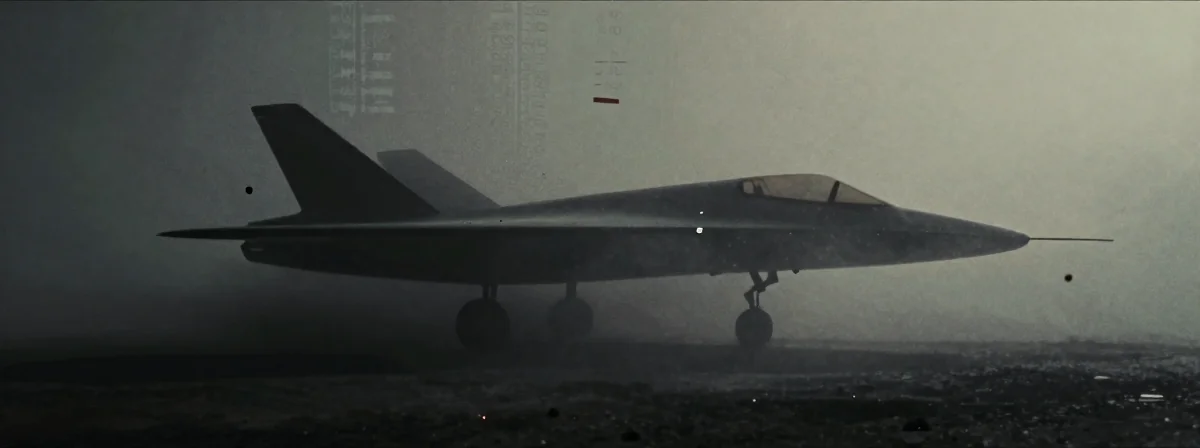
Ever notice how the names of military aircraft never quite add up? You think you know what an “F” stands for, but then you see the F-117 Nighthawk—a plane that drops bombs, not dogfights—and suddenly everything feels off. Like there’s a secret language no one told you about. That feeling isn’t just paranoia. It’s the first clue you’re not being told the whole story.
We all learned that “F” means fighter, “A” means attack, right? Wrong. The truth is messier—and far more interesting. These letters are partly rules, partly politics, and mostly a way to hide what’s really going on. Let’s peel back the layers and see what they’re hiding in plain sight.
What They’re Not Telling You
The F-111 Aardvark: A Fighter That Hates to Fight Other Planes
The F-111 was named “F” to fit Air Force fighter programs, even though it was built to attack ground targets. Why the lie? Because “F” got funding, while “A” didn’t. It’s like calling a tank a “water carrier” to sneak it past spies—except this time, they’re lying to their own people. The plane could intercept enemy aircraft, but only if you really pushed it. Mostly, it was a bomber in fighter’s clothing. What are they hiding? That military designations are rarely about truth—they’re about politics.The F-117 Nighthawk: The Fighter That Never Fought in the Sky
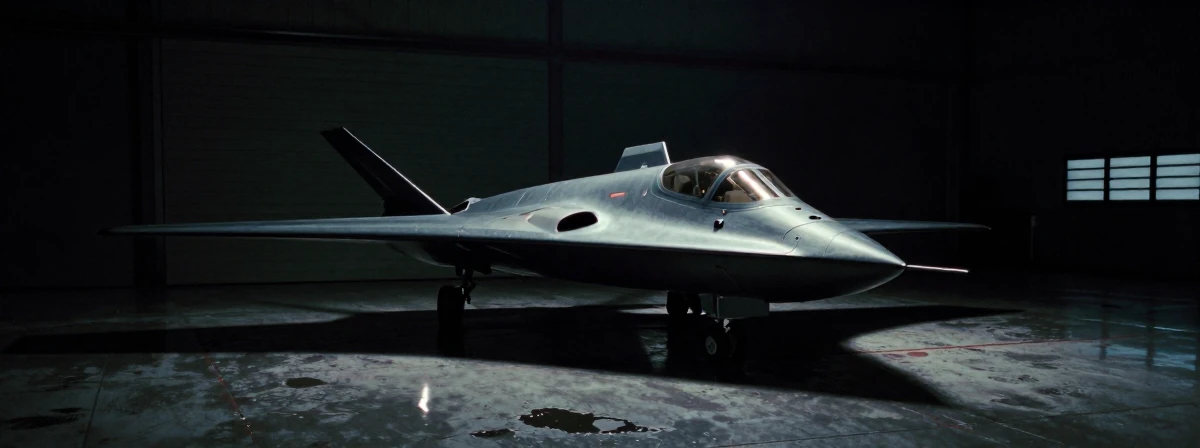
The Nighthawk was a bomber, pure and simple. But it got an “F” designation to throw spies off the scent. According to the head of its design team, the “F” was a misdirection—anyone finding a log entry for “F-117” would assume it was an old fighter study, not a new stealth bomber.It worked so well that the Pentagon didn’t even acknowledge the plane existed until 1988.
The F/A-18 Hornet: The Rule Breaker That Got Away With It
The “F/A” prefix isn’t part of the 1962 Tri-Service naming system at all. It was a special carve-out for the Hornet because it was meant to replace both fighters and attack planes for the Navy. The Air Force, meanwhile, almost never uses the “A” prefix since that system went into effect—except for one plane. The A-10. Why the exception? Because the Air Force needed a plane so tough it couldn’t be ignored, even by the rules.The AC-130: The Plane That Doesn’t Fit Any Rules
Ground-attack gunships like the AC-130, AC-119, and AC-47 don’t follow the usual fighter/attack logic. The “AC” stands for “Attack Cargo,” a designation so obscure it feels like a joke. But it’s not. It’s a reminder that some planes are too weird, too specialized, or too politically sensitive to fit neatly into the system. They’re the outliers—the ones that make you wonder, “What else are they hiding?”The A-10 Warthog: The Only Attack Plane the Air Force Would Admit To
The A-10 is the odd one out. In a system where the Air Force avoids the “A” designation like the plague, this plane wears it proudly. Why? Because it’s too important to hide. The Warthog was built to survive and destroy tanks, and the Air Force knew it couldn’t justify a plane that brutal under the guise of a “fighter.” This is the rare case where the truth won out—barely.The F-4 Phantom: The Plane That Should’ve Crashed But Didn’t
The F-4 Phantom II is the Sturddlefish of military aircraft—a hybrid that defies logic. It was never designed to be multi-role, but somehow ended up doing everything. It was supposed to be an interceptor, but it fought in Vietnam as a dogfighter, a bomber, and even a reconnaissance plane. How? Because when you throw enough money and jet fuel at something, it’ll fly—no matter how illogical. As one retired SR-71 pilot put it, “With enough government spending and jet fuel, you can make anything fly.”The F-35: The Plane Named on a Dime
The F-35’s designation wasn’t planned—it was made up in a press conference. Someone asked what the new plane would be called, and the Secretary of Defense shrugged and said, “F-35?” The general in the room nodded, and that was that. No official designation, no historical sequence, just a number pulled from thin air. Why? Because when you’re building a plane that doesn’t fit any role, you don’t bother with the rules. You just hope no one asks too many questions.The Naming Game: A History of Deception
This isn’t new. Tanks are called “tanks” because British engineers disguised them as water carriers to hide their true purpose in WWI. The F-117’s “F” is just the latest chapter in a long tradition of military misdirection. Every time you see a designation that doesn’t make sense, ask yourself: What are they hiding? The answer is almost always more interesting than the official story.
The Truth Is Out There
The next time you hear about a new military aircraft, don’t take its name at face value. The designation is rarely about what the plane does—it’s about what the people in charge want you to think it does. The F-117 wasn’t a fighter, but calling it one kept spies guessing and pilots interested. The F-111 was a bomber, but “F” got it funded. The F-35 is a mess of roles, but a made-up number made it official.
The real secret isn’t in the planes themselves—it’s in the stories we tell about them. And the ones who control the stories? They’re the ones who decide what we see and what we don’t. Keep your eyes open. The truth is always hiding in plain sight.