
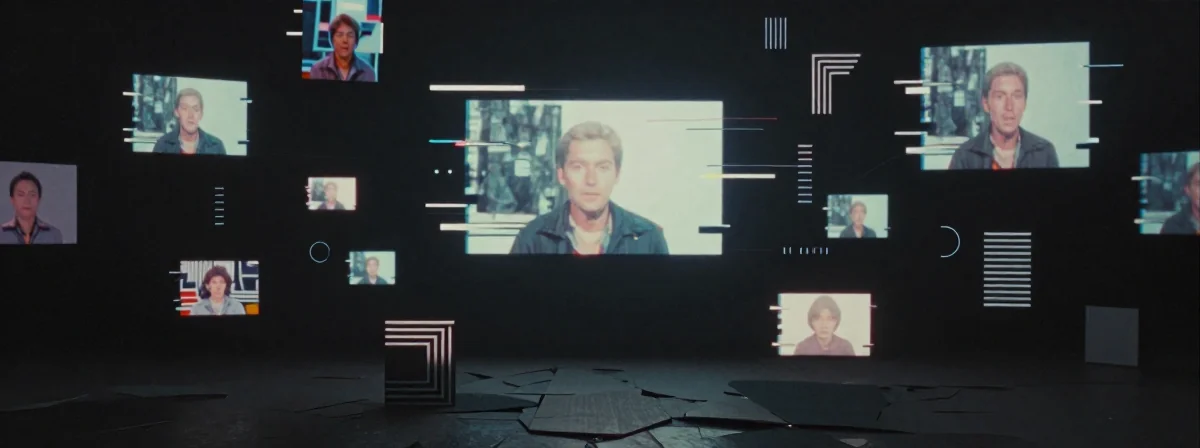
Every day, millions of us scroll through feeds filled with videos that feel… off. The text is backward. The action seems to flow in the wrong direction. The reaction videos nod at the exact same moment without any real enthusiasm. These aren’t just quirks of recording—they’re deliberate tactics in an ongoing battle for digital content control. The most fascinating part? This visual trick—often as simple as mirroring a video—has become a cornerstone strategy in the arms race between creators and copyright detection systems.
What begins as a clever workaround has evolved into an ecosystem of its own, where understanding these techniques isn’t just interesting, it’s essential for anyone navigating the digital content landscape. The implications stretch far beyond annoying viewing experiences—they fundamentally alter how we consume media and who benefits from our attention. This isn’t just about technical tricks; it’s about the very future of creative expression online.
The practice has become so widespread that it’s now a primary indicator of content that may be infringing on copyrights. It’s a visual semaphore in the digital realm, signaling to those who know what to look for that something about this content might not be quite right.
Why Would Anyone Mirror a Video in the First Place?
Imagine you’re trying to build a quick audience without actually creating anything new. You find a popular movie scene, TV clip, or music video that you don’t have permission to use. Directly uploading it would trigger YouTube’s Content ID system, which automatically detects and flags copyrighted material. What’s your solution? You flip the video horizontally, making it a mirror image of the original. This simple transformation confounds the automated detection systems that look for exact matches, while still delivering the same content to viewers who barely notice the difference.
It’s like trying to open a lock with a key that’s been cut backward—it doesn’t fit the mechanism as designed, but it looks remarkably similar to anyone who doesn’t know how locks work. The visual information remains intact, but the pattern recognition algorithms struggle to match it against their database of copyrighted content. This clever workaround has become so prevalent that it’s now a primary indicator of potentially infringing content.
The irony is that these techniques—mirroring, speeding up footage just enough to avoid detection, adding overlays and borders—were originally developed by legitimate creators trying to use copyrighted material under fair use guidelines for reviews and analysis. Now, they’ve been co-opted by content thieves who use them with no transformative purpose, simply to steal other people’s work without permission.
The Algorithm Arms Race: When Simple Tricks Become Industry Standards
Content detection systems have become increasingly sophisticated, but they’re still playing catch-up in this digital cat-and-mouse game. When platforms like YouTube implemented automated copyright detection, creators found ways around it. When platforms patched those loopholes, creators developed new techniques. This evolutionary arms race has produced some truly remarkable—though ethically questionable—tactics.
Take the phenomenon of “reaction videos” that do nothing but show a clip with minimal commentary. Some creators go so far as to record themselves watching these clips, often with the most neutral expressions imaginable, creating what amounts to a human-shaped placeholder between the platform’s detection systems and the copyrighted content. The goal isn’t genuine reaction—it’s to create a thin veneer of originality that might protect the video from being flagged.
Consider the case of a creator who records themselves for five minutes with an expression so neutral it borders on clinical, placing their face in a looped video “reacting” to content. When viewers call this out as disingenuous, the creator benefits: engagement metrics improve, and the algorithm interprets the controversy as a sign of viral potential. It’s a perfect storm of exploitation—using audience frustration to game the system while delivering no real value.
The Economics of Content Theft: Why It Pays to Cheat
From a purely economic perspective, these tactics make perfect sense—even if they’re ethically bankrupt. Creating original content requires time, skill, and resources. Stealing content requires only basic technical knowledge and a willingness to exploit loopholes. When the potential rewards—monetization through ad revenue, sponsorships, and merchandise—far outweigh the risks—minimal chance of being caught, even smaller chance of facing consequences—the incentives are clear.
Platforms like YouTube, TikTok, and Instagram have built business models around engagement metrics, not content quality. Their algorithms reward videos that get views, regardless of how those views are obtained. This creates a perverse incentive structure where the most successful content isn’t necessarily the best, but the content that most effectively exploits the system.
The result is an ecosystem where genuine creators struggle to get noticed while content thieves thrive. It’s a form of digital parasitism where the host (the original creator) is weakened while the parasite (the content thief) benefits. And because the platforms themselves benefit from high engagement numbers, they have little incentive to fix the problem—even as it undermines the long-term health of their content ecosystems.
How to Spot and Combat Content Theft in Your Feed
Recognizing these tactics is the first step toward mitigating their impact. Here are some telltale signs of potentially stolen content:
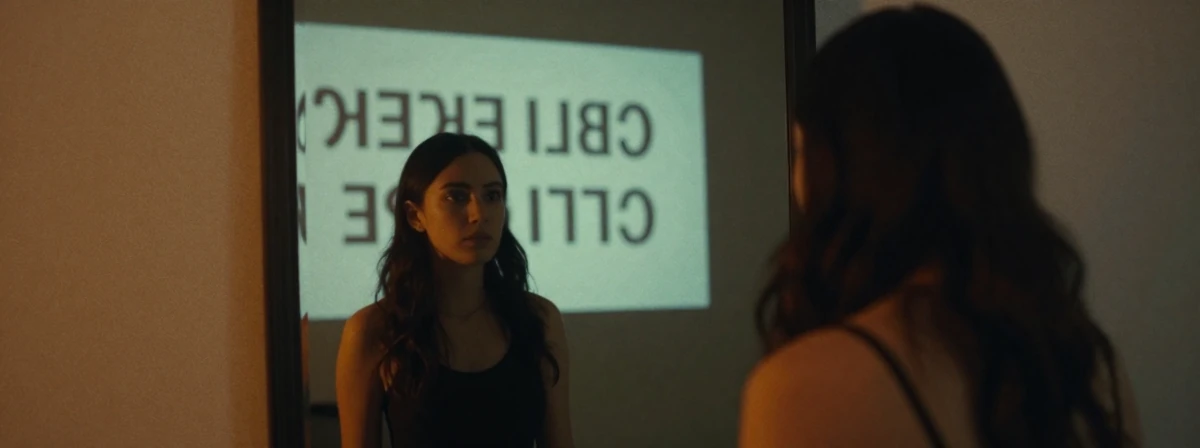
- Mirrored text or graphics: If you can’t read text in a video because it’s backward, that’s often a deliberate attempt to avoid detection.
- Unusual speed changes: Videos that are sped up by just enough to avoid detection (typically 5-10% faster than normal) are often trying to game the system.
Excessive visual effects: Unnecessary filters, overlays, or borders can be attempts to alter the video enough to avoid detection while maintaining its recognizable content.
Minimal original content: Reaction videos where the “reactor” provides little to no analysis or commentary, instead relying on the original content to drive engagement.
Lack of attribution: Content that doesn’t properly credit the original source, making it difficult for viewers to find the authentic version.
If you encounter content that seems suspicious, you can take several actions:
- Use the “Do not recommend channel” option on YouTube
- Clear your watch history to reset algorithmic recommendations
- Report the content to the platform for copyright infringement
- Support original creators by sharing their work directly
By becoming more discerning consumers of digital content, we can collectively shift the incentives back toward genuine creation rather than exploitation.
The Future of Digital Content: Where Do We Go From Here?
The current state of content creation represents a fascinating crossroads in digital culture. We’re witnessing the collision of powerful economic incentives, sophisticated technology, and evolving ethical standards. The visual tricks we’ve discussed—mirroring, speeding up, adding effects—aren’t going away anytime soon. Instead, they’ll continue to evolve as creators and platforms continue their dance of cat and mouse.
What remains uncertain is whether this arms race will ultimately benefit or harm the creative ecosystem. Will platforms develop better systems that distinguish between legitimate fair use and outright theft? Will creators find more sustainable ways to monetize their work without resorting to exploitation? Will audiences become more discerning consumers who value authenticity over engagement?
One thing is clear: understanding these tactics isn’t just about identifying bad actors—it’s about recognizing the underlying systems that incentivize certain behaviors. By becoming more aware of how content platforms work, we can make more informed choices about what we consume, share, and create.
The next time you encounter a video with backward text or a reaction video that seems suspiciously neutral, you’ll know you’re witnessing more than just a technical oddity. You’re seeing the front lines of a battle that will shape the future of digital creativity. And in that battle, awareness is perhaps our most powerful weapon.