
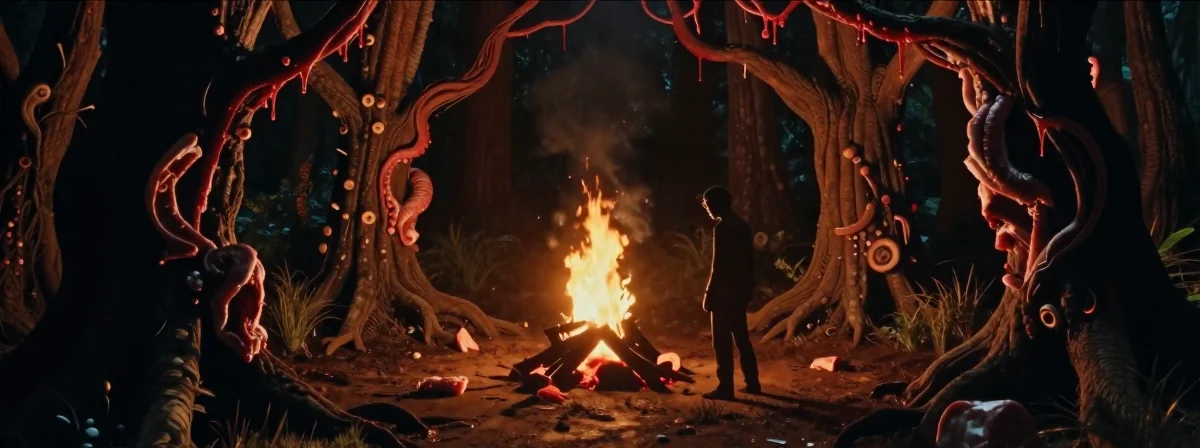
Some days, you look at a raw steak and wonder: why do we even cook? After all, lions and bears seem to manage just fine. Then you remember the terrifying videos of bears with tapeworms hanging out of their butts—and suddenly, that searing hot pan starts to make a lot more sense. We love our raw fish and steak tartare as much as the next person, but let’s be real: cooking wasn’t just some arbitrary choice. It was a game-changer for humanity. Here’s the raw truth about why we traded the wilderness for the kitchen.
Tech That Fits Your Life
Animals don’t get to enjoy “old age” in the wild—just survival.
That romantic idea of majestic creatures frolicking until a peaceful death? Disney lied to us. Most wild animals barely make it past their reproductive years. Male lions, for example, live only 7–10 years in the wild (if they’re lucky), mostly because they’re either killed by rival males or starve after an injury. It’s brutal.Nature isn’t a vacation; it’s a constant fight for survival.Raw meat isn’t just risky—it’s energy-draining.
Sure, you can eat raw meat. Sushi, carpaccio, steak tartare—they’re all delicious. But here’s the catch: digesting raw meat takes a ton of energy. Lions spend most of their day sleeping because their bodies work overtime to break down raw prey. Cooking, on the other hand, pre-digests the proteins, making nutrients easier to absorb. It’s like upgrading your digestive system with zero effort.Cooking unlocked our super-brains.
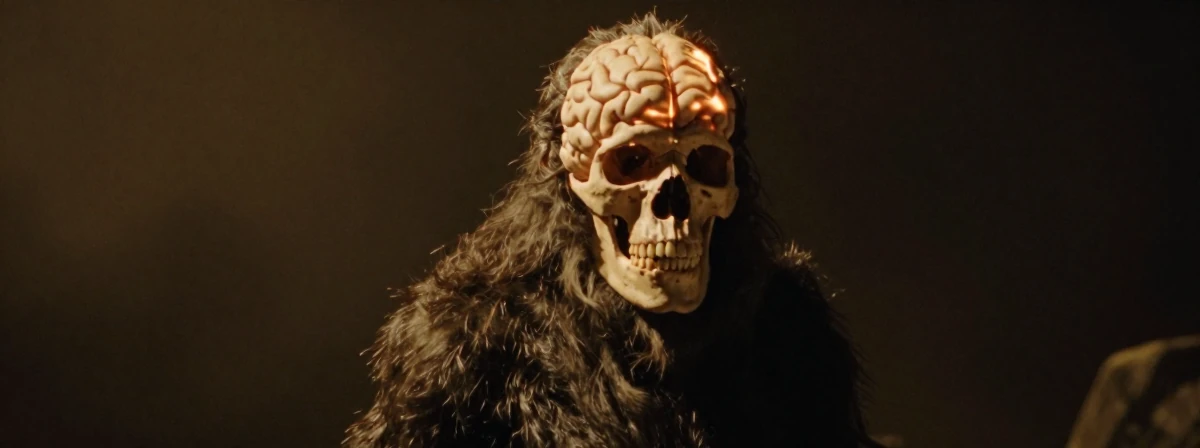
Ever wonder why humans have such huge brains compared to other animals? A strong theory is that cooking gave us more calories and nutrients to fuel our energy-hungry noggins. When our ancestors started cooking, their teeth got smaller, jaws relaxed, and suddenly, they had the spare energy to develop speech. It wasn’t just about safety—it was about becoming something more.
- Animals don’t have food safety protocols.
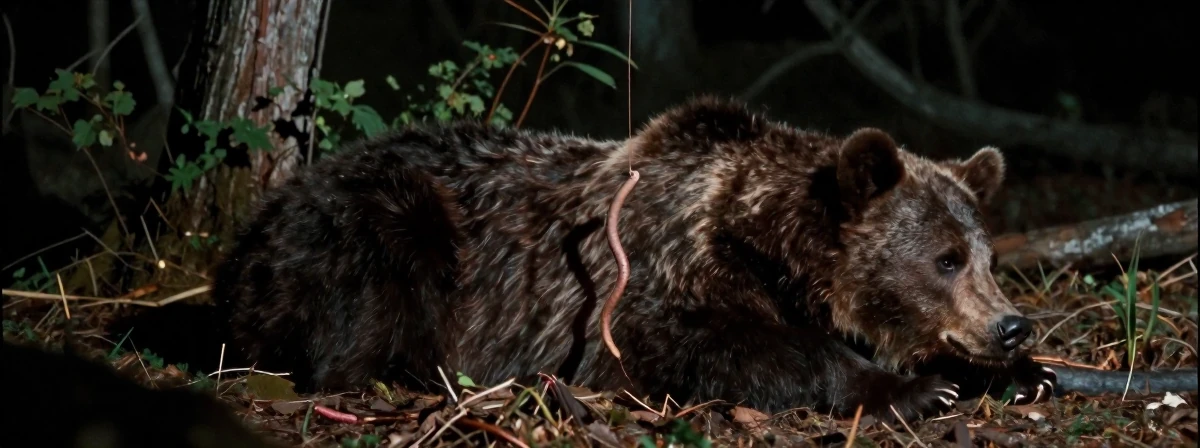
Bears, wolves, and birds of prey don’t wash their meat or check for expiration dates. They eat what they kill, and sometimes that means dealing with parasites or bacteria. Humans, however, can’t afford to be that casual. Our immune systems evolved alongside cooking, so we’re less equipped to handle raw meat safely. That’s why a tapeworm hanging out of a bear’s butt is less “cool” and more “nightmare fuel.”
Yes, some cultures eat raw meat—but they’re the exception, not the rule.
From sushi to mett (raw pork on bread), raw meat dishes exist worldwide. But even those cultures have ways to minimize risk—fermentation, curing, or specific cuts. We’re not saying you can’t enjoy a rare steak. We’re saying that for most of human history, cooking wasn’t a luxury; it was survival 101.Cooking makes food taste better—and that matters.
Let’s be honest: most of us prefer a perfectly seared steak over a rare one. Cooking doesn’t just kill germs; it unlocks flavors. Maillard reactions, caramelization—these aren’t just fancy terms. They’re the reason we love the taste of cooked food. Animals don’t care about taste, but humans sure do.
Worth Your Time
The next time you fire up the grill, remember: cooking wasn’t just about safety or nutrition. It was the single best upgrade our species ever made. It gave us more energy, bigger brains, and more time to do… well, whatever humans do (argue about whether raw meat is “natural,” apparently). So go ahead, enjoy that perfectly cooked meal. You’re not just satisfying your taste buds—you’re embracing millions of years of evolution. Now, who’s up for some steak?